The Ethnographic Open-Air Museum of Latvia
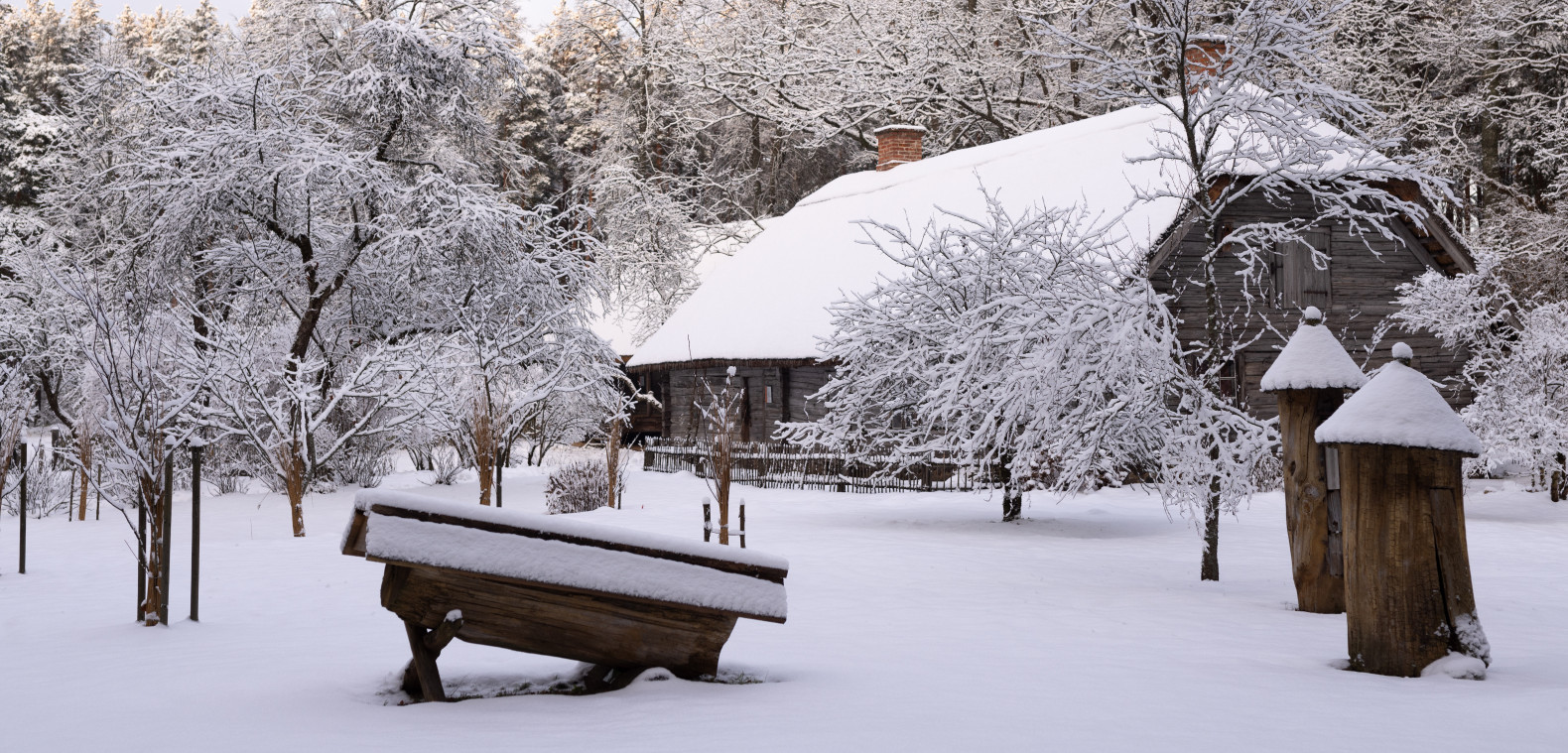
When entering the tiny Latvia of the former times that hides unobtrusively behind the pine forest at Lake Jugla, don’t strive to perceive it as a reality for it was a reality only to those from long ago. But the objects, structures, and households still continue to exist. You, a visitor and a stranger, will be rewarded with the intimacy of these treasures of our predecessors. This feeling, without any reminiscence of contemporary man, may be vague, imperfect or too subjective though nursed by many and winnowed by time.
News
The Light Trail “World. Meteņi” Opens at the Open-Air Museum on 6 February
Events at the Latvian Ethnographic Open-Air Museum December & January
Latvian Ethnographic Open-air Museum Event Plan 2025
Museum opening hours on holidays

The Museum admission on National holiday - 18th of November is free!



Contacts
-
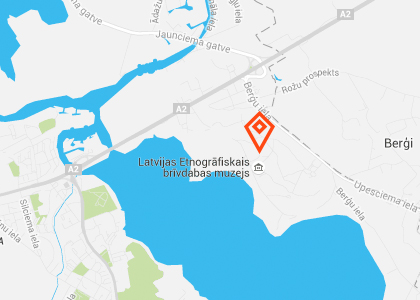
Entrance: Brivdabas street 21, Riga, LV-1024
Administration: Bonaventuras street 10, Riga LV-1024 - 67994106; Booking office : 67994515
- Please turn on Javascript to see email address!
Working hours
From 1 November to 31 January
Open daily from 10:00 to 16:00
Closed on 31 December and 1 January
From 1 February to 31 March
Open Tuesday to Sunday from 10:00 to 16:00
Closed on Mondays
From 1 April to 30 April
Open daily from 10:00 to 17:00
From 1 May to 31 October
Open daily from 10:00 to 18:00
! Please note: Last admission is 30 minutes before closing time.
Exhibition Hall: open Wednesday to Sunday.
Properties:
Registration number 90000053011
The Treasury (Valsts kase), bank code: TRELLV22
Account number: LV08TREL2220638004000

The Ethnographic Open-Air Museum of Latvia
The Ethnographic Open-Air Museum of Latvia is one of the oldest outdoor museums in Europe. It was founded in Riga in 1924.
Learn more
Museum "Vēveri"
The Ethnographic Open-Air Museum of Latvia has in situ museum located in hilly district of Vecpieblaga, it is called "Vēveri".
Learn more
Fisherman farmstead "Vītolnieki"
The Ethnographic Open-Air Museum of Latvia has in situ museum - fisherman’s homestead, located in Rucava, Pape, it is called "Vītolnieki".
Learn more